FAITH • EDUCATION • SKILLS • AGRICULTURE • COMMUNITYBudaka District, Uganda
Our programmes

Equipping people.
Strengthening communities.

We combine immediate care with long-term investment in learning, skills, livelihoods and community-led development.

A connected approach

Every programme begins with people.

Our initiatives are connected: education opens doors, skills create options, agriculture supports households, and community participation builds ownership.

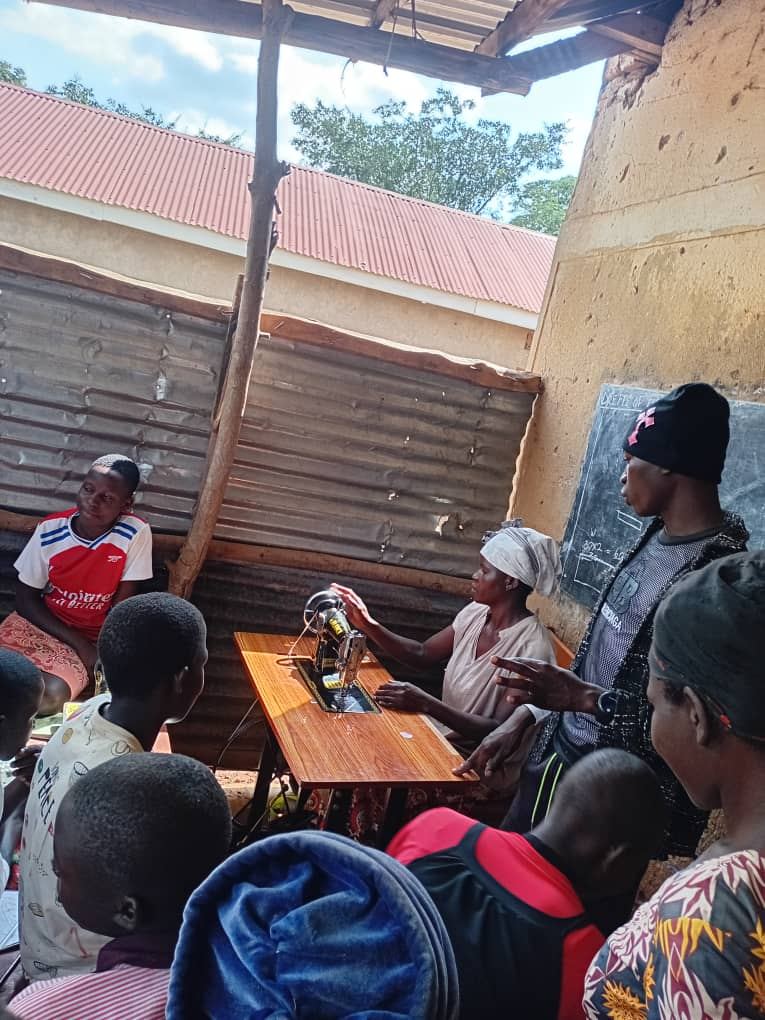
Women learning tailoring and sewing skills using sewing machines
01 • VOCATIONAL TRAINING

Tailoring, sewing and practical livelihood skills

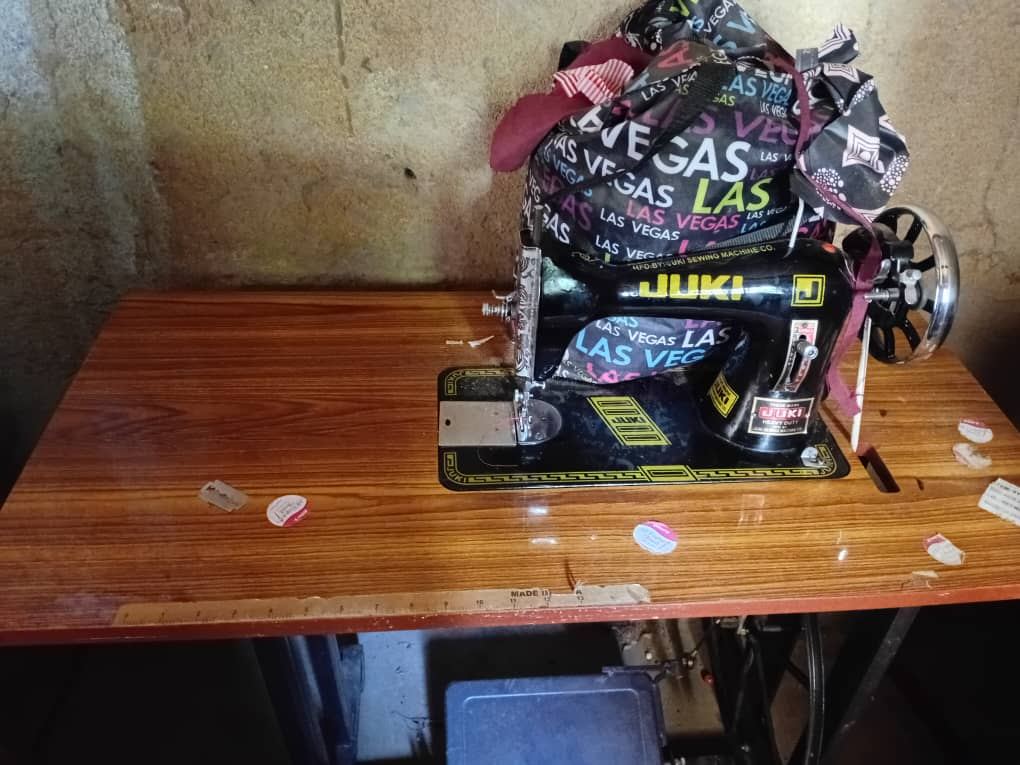
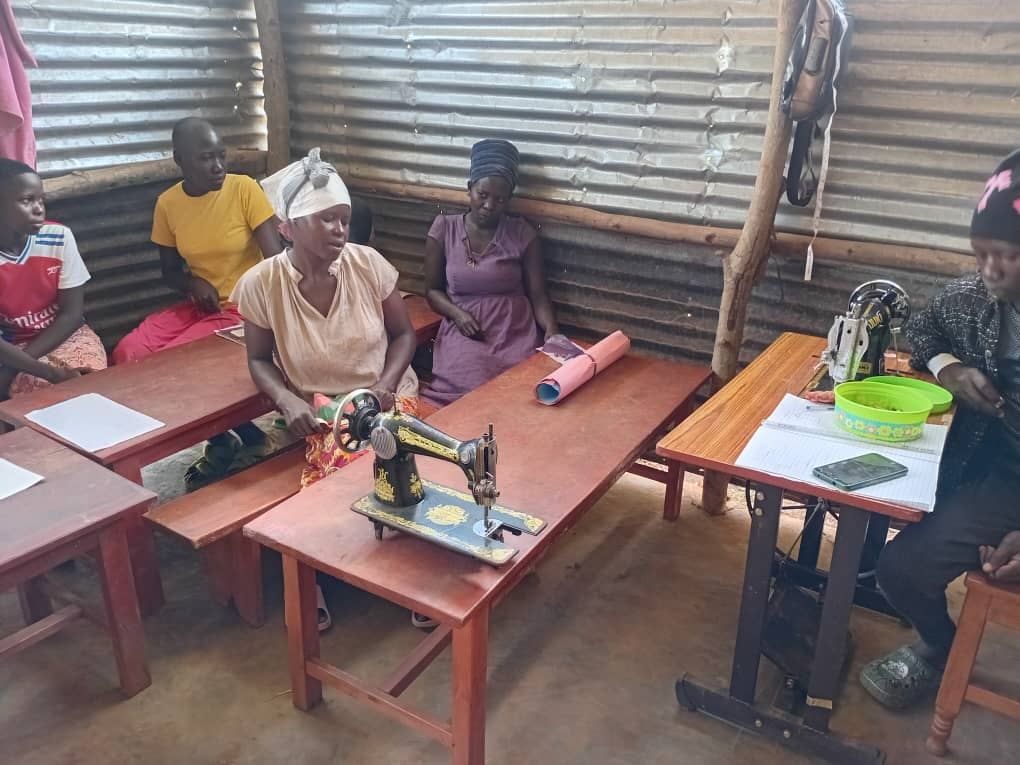
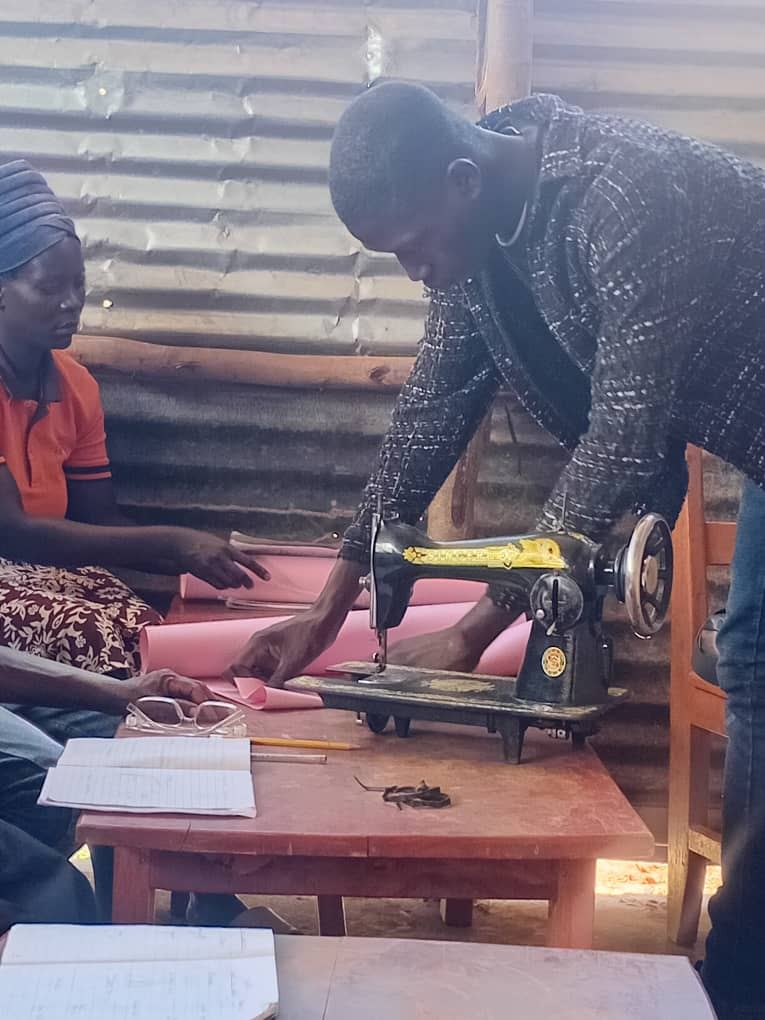
Kireta Care Foundation’s tailoring initiative is designed to turn practical learning into livelihood opportunity. Women and other community members are introduced to sewing as a useful, marketable skill that can support self-employment, household income and greater economic participation. The photographs show participants gathered around sewing machines, receiving guidance, observing demonstrations and learning together.

Training is most effective when learners have access to equipment and time to practise. With sewing machines, work tables and instruction, participants can progressively develop skills in handling fabric, taking measurements, cutting patterns, operating and maintaining machines, stitching and garment finishing. The initiative also creates space for peer learning: participants can encourage one another, share ideas and build confidence through practice. As skills mature, graduates may be better placed to take on sewing orders, offer repair and alteration services or explore small tailoring enterprises. The Foundation’s long-term intention is to connect training with real pathways to dignified work.
Potential impact: employable skills • self-employment • household income • women’s confidence
Instructor guiding a participant at a sewing machine
Practical coaching
Women participating in a tailoring learning session
Learning together
Sewing machine used in the training
Training equipment
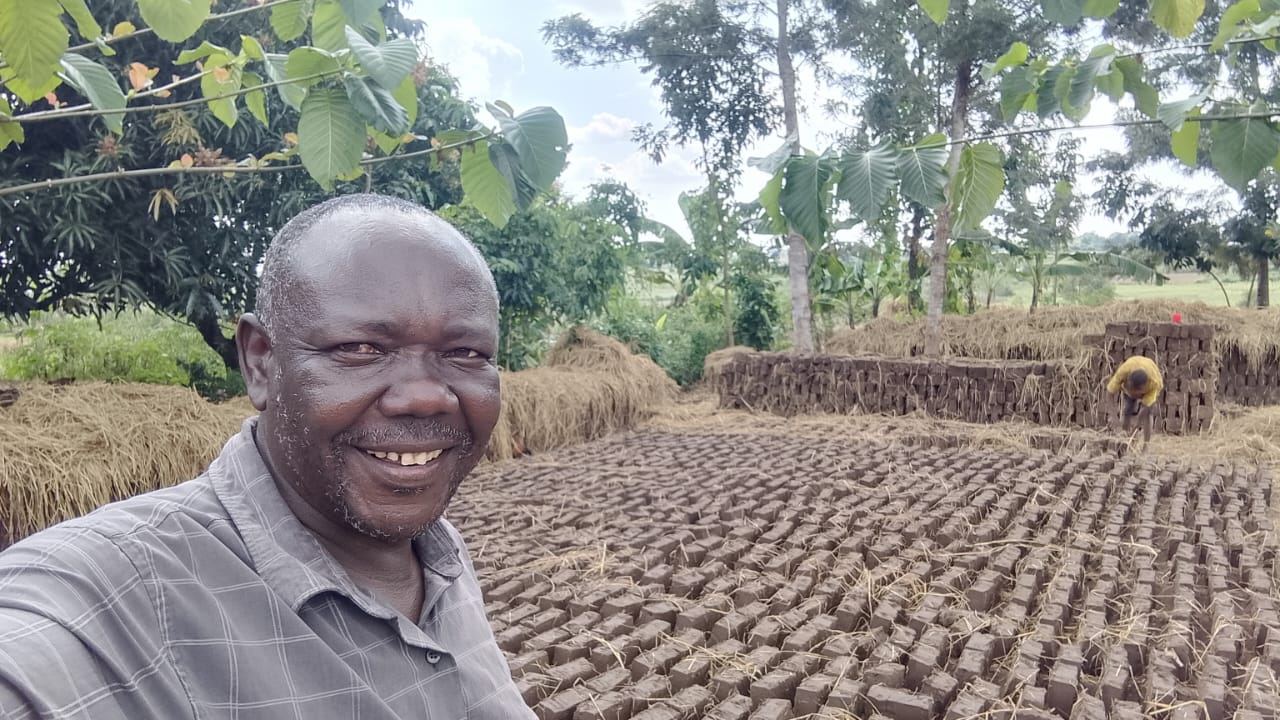
Rows of locally made bricks at the Kireta Care Foundation brick-making site
02 • YOUTH EMPOWERMENT & CONSTRUCTION

Brick making: building skills and local capacity

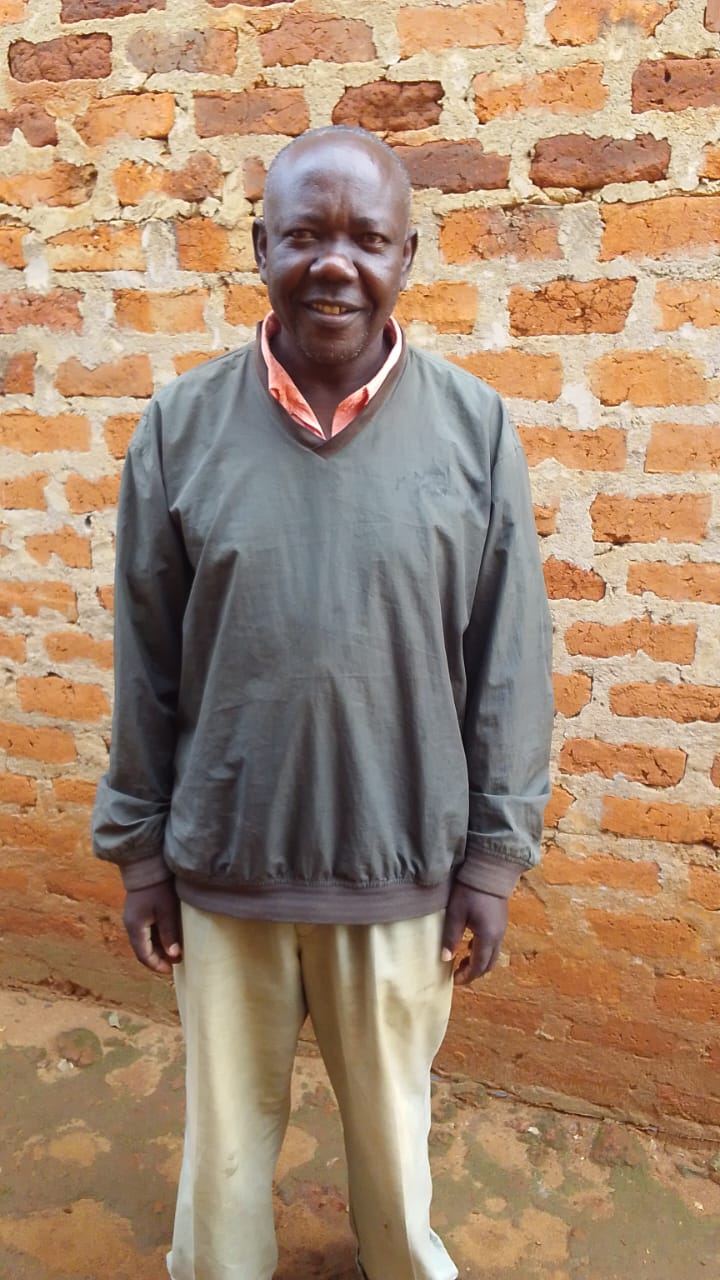
The Foundation’s brick-making initiative demonstrates how local effort and available materials can be organised into a productive community asset. The photographs show Kireta Richard at a site where locally made bricks have been laid out to dry, with a young worker continuing the process. Brick making offers young people practical exposure to preparation of materials, moulding, drying, stacking and handling—skills connected to the local construction economy.

Where quality and safety requirements are met, locally produced bricks can help supply building projects and reduce reliance on distant suppliers. Just as importantly, the activity encourages productive use of time, teamwork, responsibility and pride in work. The Foundation sees this as a practical expression of community participation: people are not simply waiting for development to arrive; they are learning, producing and helping shape it. The work also creates an opportunity to explore links between vocational instruction, youth engagement and small-scale enterprise.

Potential impact: practical construction skills • youth participation • local materials • community ownership
Founder standing beside locally made bricks
Founder at the brick-making site
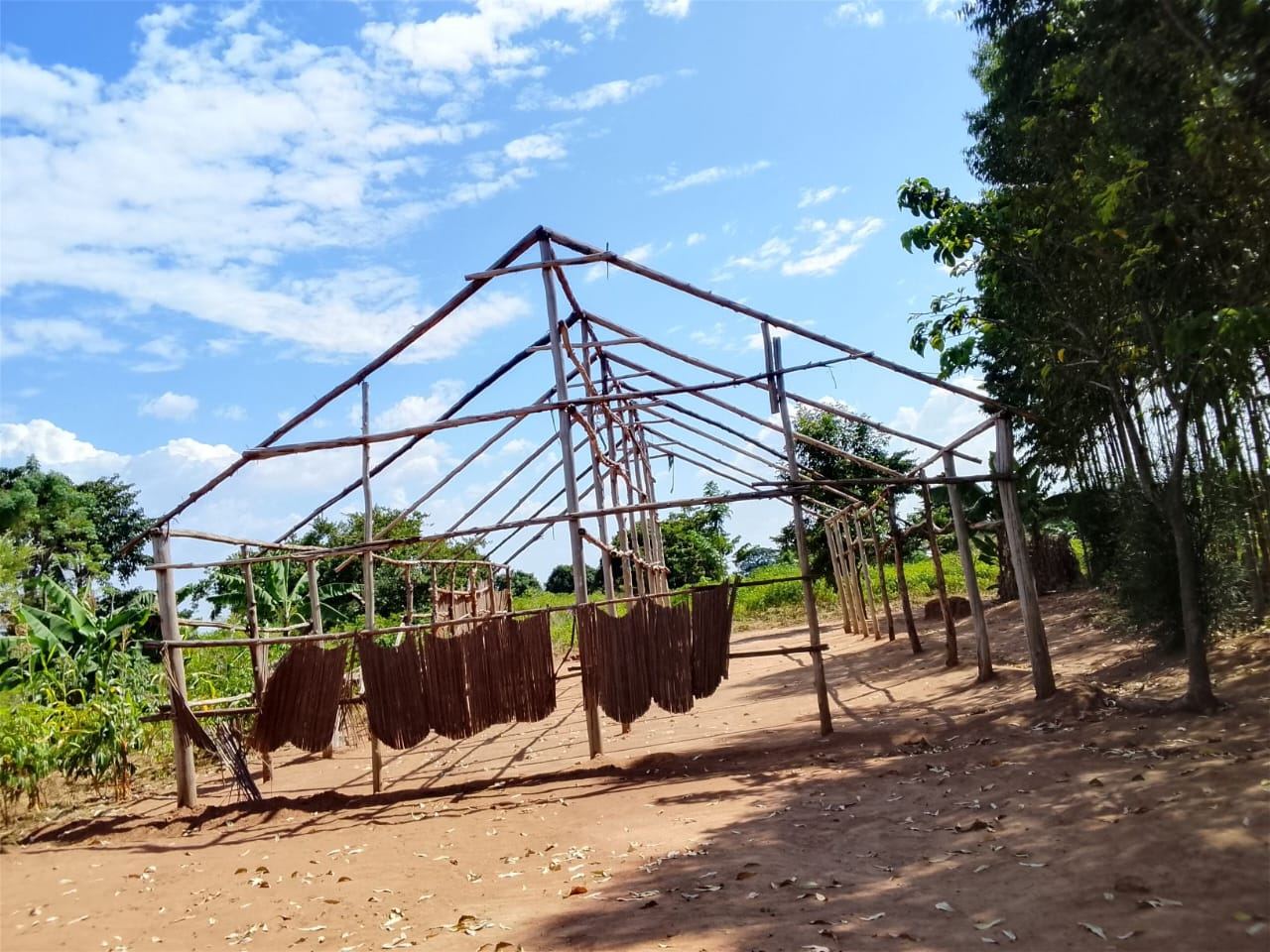
Timber structure under development
Community structure under development
Community members taking part in an outdoor activity
03 • AGRICULTURE & FOOD SECURITY

Farming and poultry for resilient households

For households in Budaka, agriculture is closely connected to daily life, nutrition and income. Kireta Care Foundation views farming as both a livelihood and a learning opportunity. Its agriculture focus seeks to encourage productive use of land, practical knowledge, responsible management of natural resources and household food security. The programme recognises the importance of approaches that are affordable, locally relevant and suited to the realities of smallholder families.

The Foundation’s stated areas of interest include crop production and poultry keeping. These can complement one another: crops provide food and, where appropriate, feed; poultry can contribute eggs, meat, manure and potential household earnings. Practical learning may cover soil preparation, planting, crop care, water conservation, post-harvest handling, animal housing, feeding and basic poultry health. The programme aims to promote food availability and resilience while helping families identify realistic ways to strengthen their livelihoods. We will continue to document specific farming activities as the work develops.

Potential impact: food availability • household income • practical agricultural knowledge • resilience
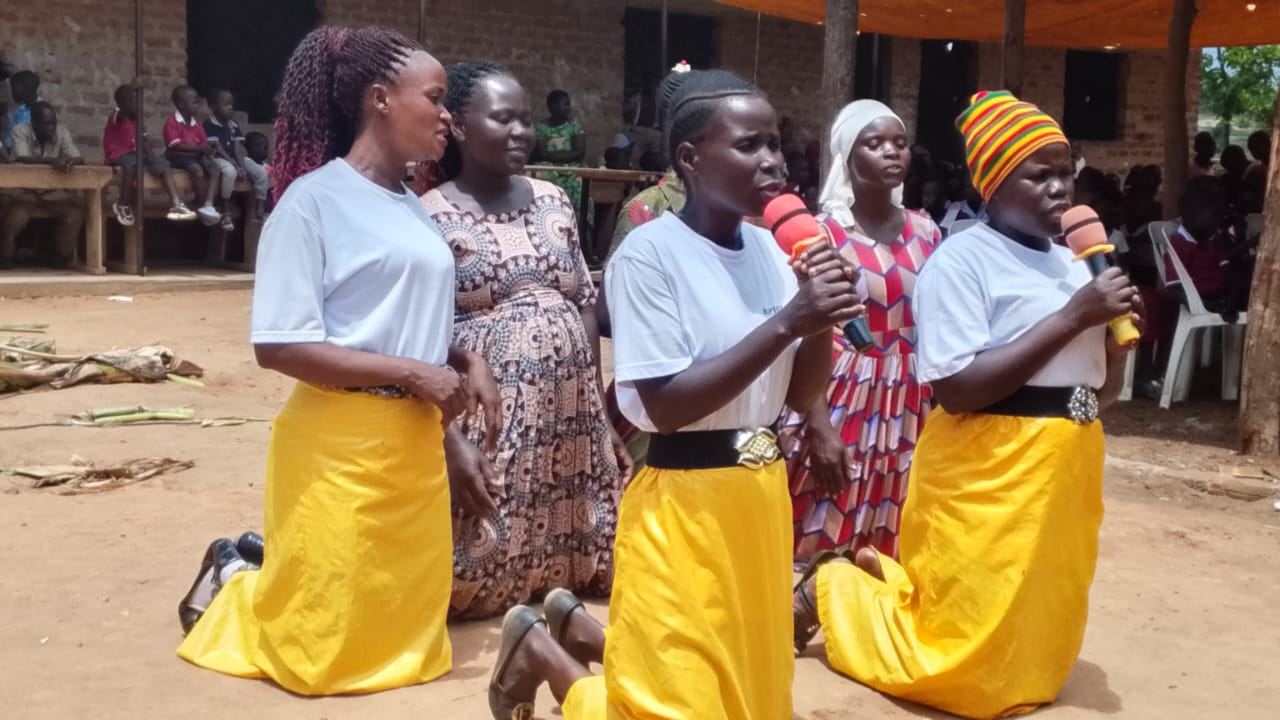
Women leading singing and worship during a community gathering
04 • CHRISTIAN OUTREACH & COMMUNITY LIFE

Faith, fellowship and service

Christian faith is the foundation of Kireta Care Foundation’s identity. Prayer, worship, evangelism and fellowship are part of the community life that encourages people to find hope, support one another and serve with compassion. The photograph captures women participating in singing and worship at a community gathering.

We understand Christian outreach as more than a programme or event. It is a commitment to live out the teachings of Jesus through kindness, integrity, reconciliation and practical care. The Foundation seeks to work respectfully with churches, families and community leaders, creating opportunities for people to come together, share encouragement and respond to local needs.

Our emphasis: hope • belonging • spiritual encouragement • compassionate action
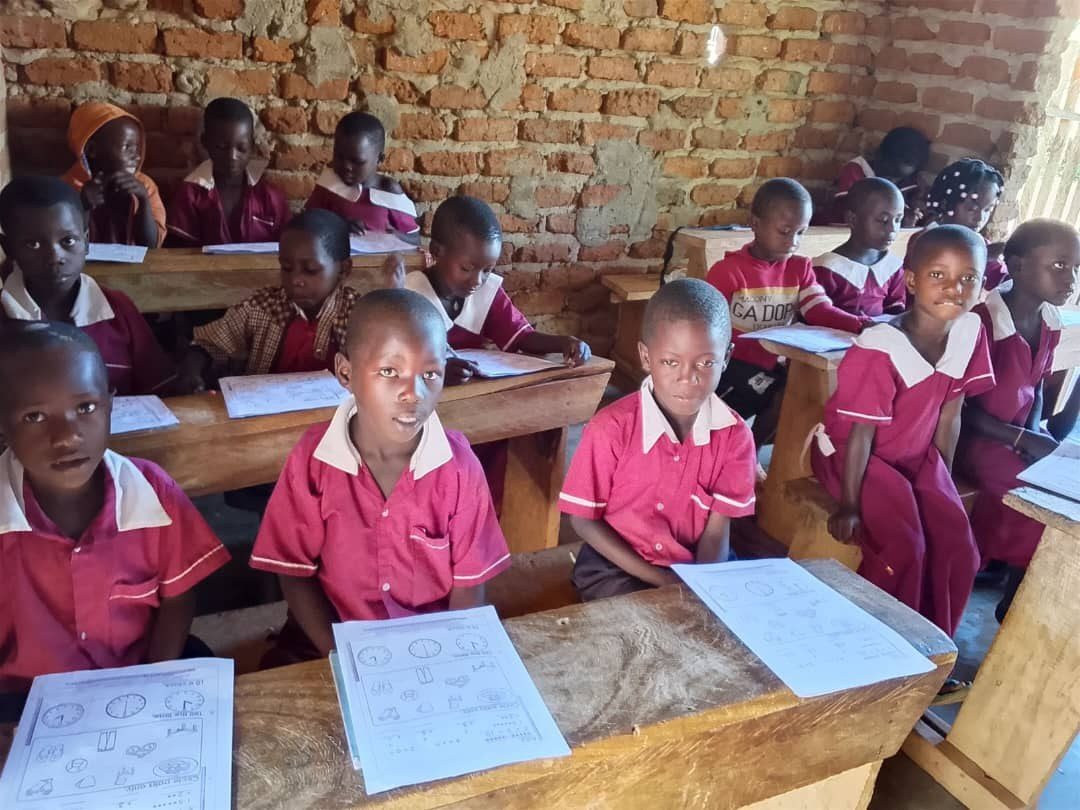
Children learning at school
05 • EDUCATION & CHILD DEVELOPMENT

Access to learning and a hopeful future

Education is one of the Foundation’s central commitments. Through Kireta Care Primary School and support for children’s learning, we seek to make education a pathway to opportunity, character formation and active citizenship.

We believe every child deserves an environment where they are safe, valued, challenged and encouraged to discover their abilities. Our school serves learners from Baby Class to Primary Seven and combines classroom learning with spiritual formation, creativity, sport and practical experiences.

Potential impact: literacy and numeracy • confidence • character • future opportunity
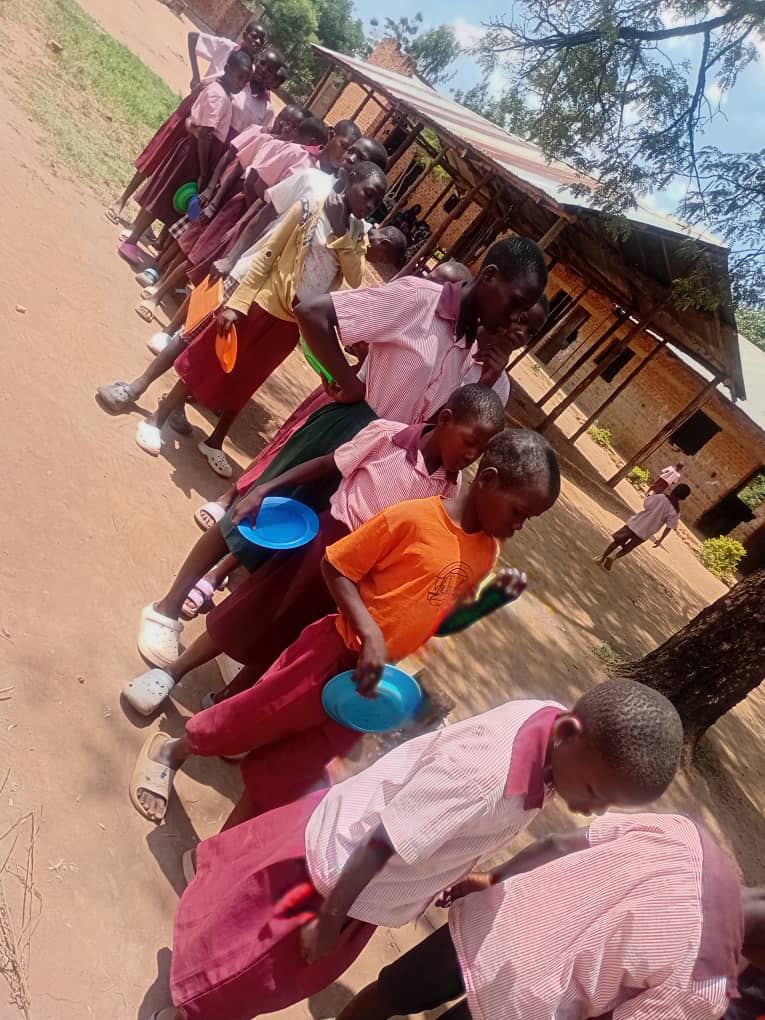
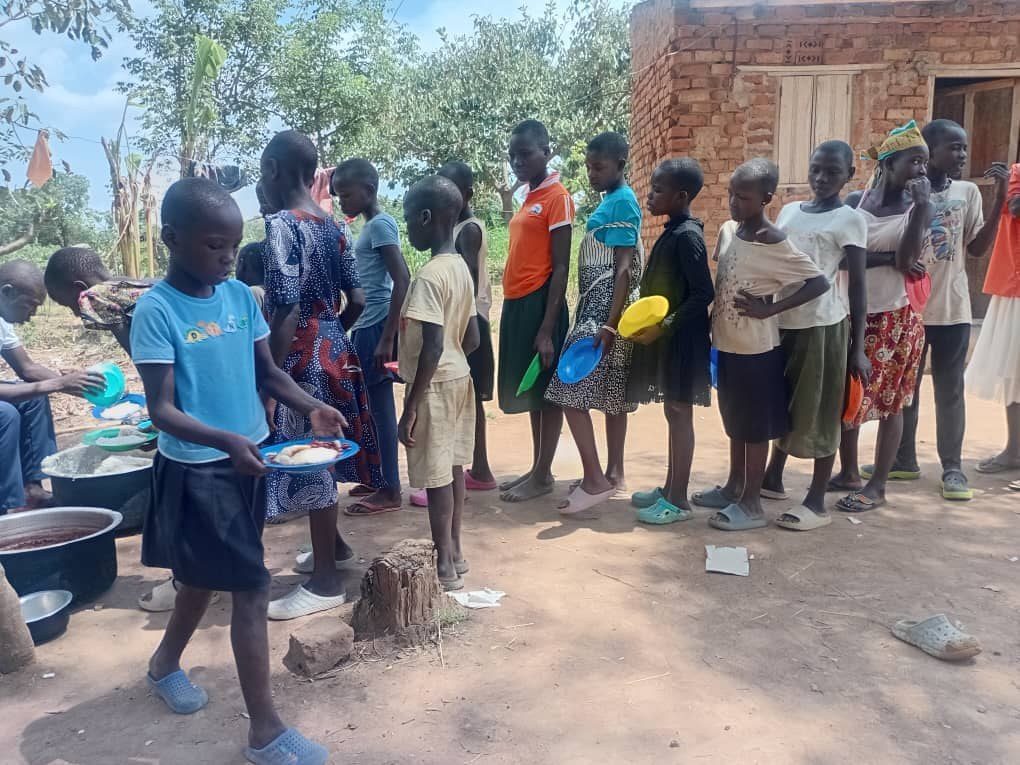
Children gathered during a community activity
06 • HEALTH, WELFARE & FAMILY SUPPORT

Standing with families in times of need

The Foundation’s early work included providing food and basic necessities and facilitating free medical services for people who faced barriers to care. This spirit of compassionate response remains part of our identity.

We recognise that a child’s ability to thrive is closely connected to the wellbeing of the family and community around them. Our approach therefore values listening, practical assistance, health awareness, care for vulnerable households and partnerships that help people access essential support.

Potential impact: dignity • improved wellbeing • access to support • stronger families
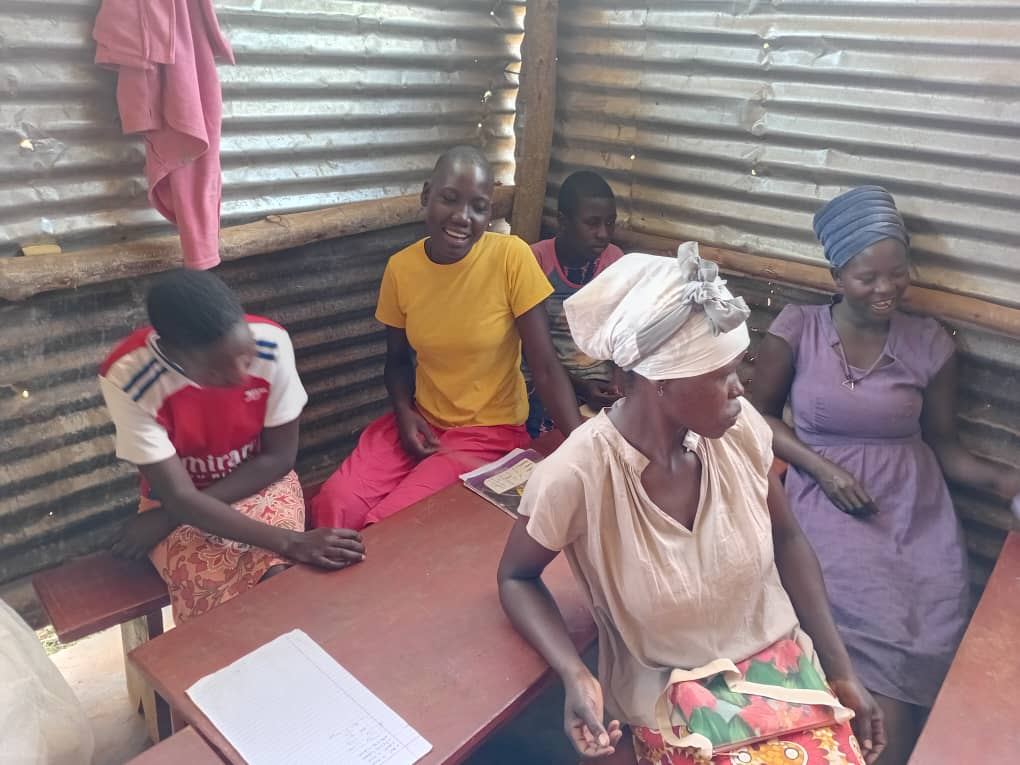
Community members meeting
07 • CHRISTIAN OUTREACH & COMMUNITY LIFE

Faith expressed through service and relationships

Prayer, evangelism and Christian fellowship were part of the Foundation’s beginnings and remain important to its identity. We believe that faith should inspire love, humility, justice and service.

Through outreach and community engagement, we seek to encourage hope, strengthen relationships and support people to participate in solutions to the challenges they face. We welcome collaboration with churches, local leaders and other organisations that share a commitment to human dignity and community wellbeing.

Potential impact: hope • belonging • positive relationships • collective action

“Each of you should use whatever gift you have received to serve others.”

1 Peter 4:10

We value the gifts, skills and potential already present in every community.